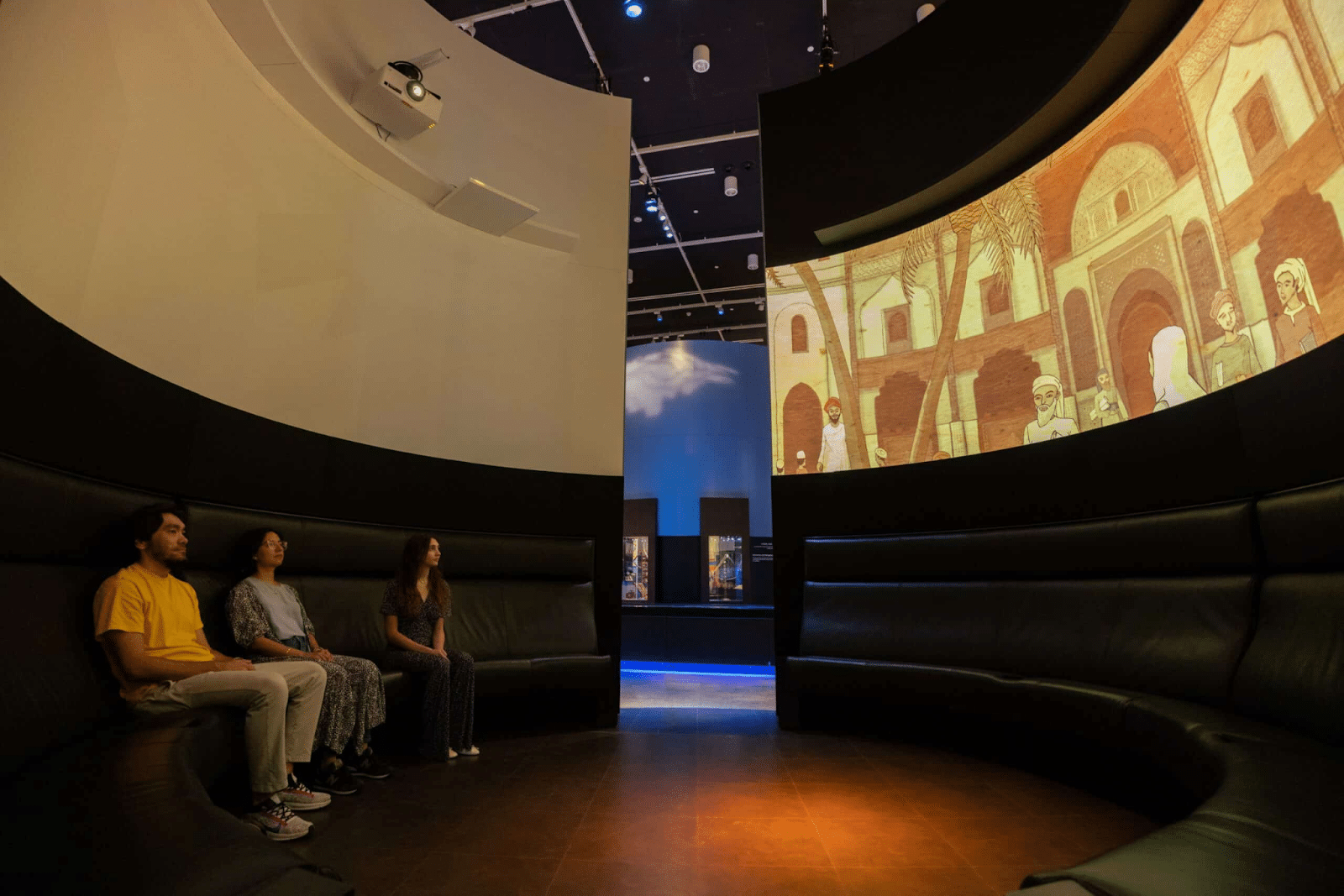
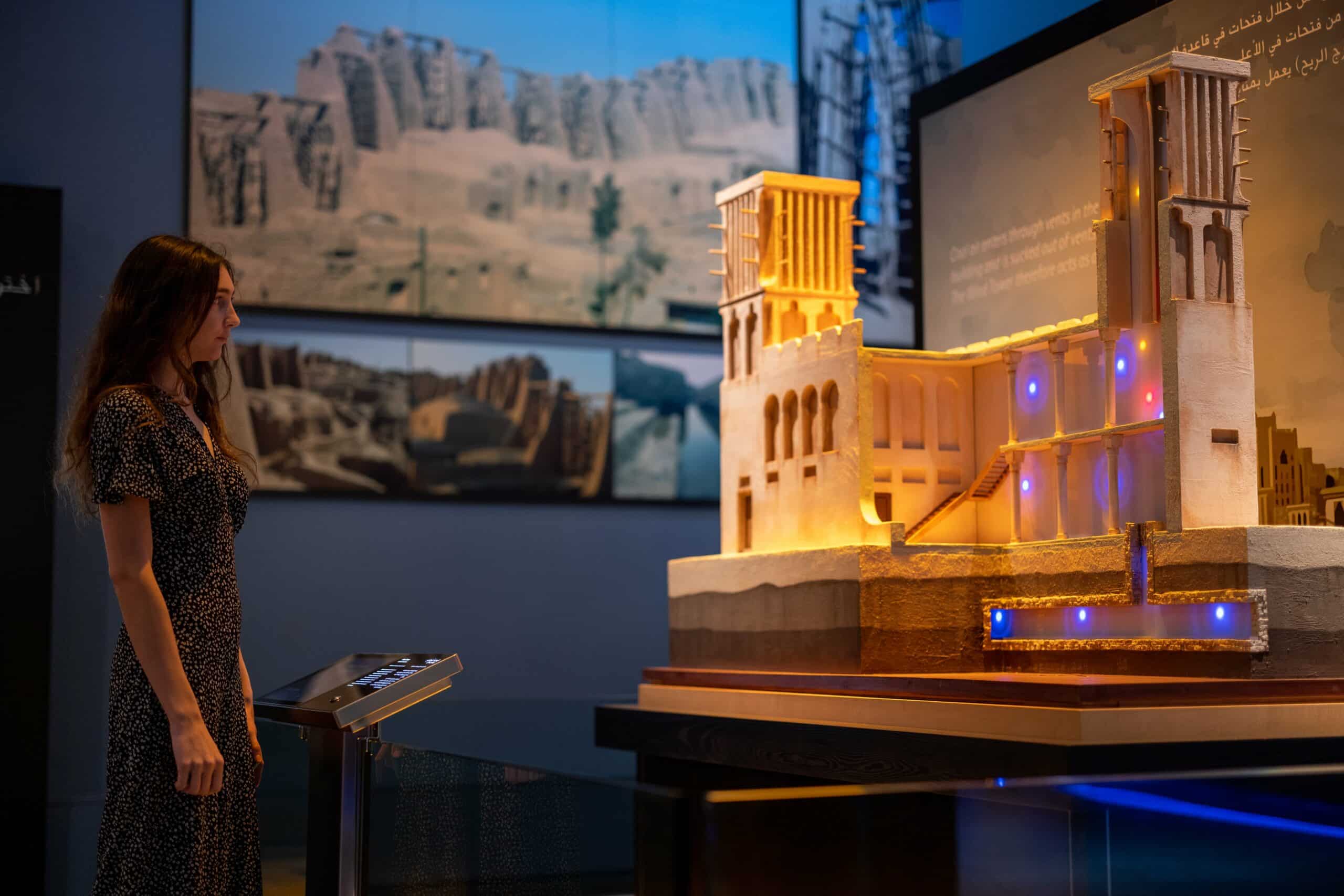
Have you ever left a museum thinking, “That was interesting,” but struggled to remember what you actually saw? Now imagine solving a mystery hidden within the exhibits, competing with your family in a historical challenge, or unlocking clues that reveal fascinating stories as you explore. Suddenly, the museum becomes much more than a place to observe; it becomes a place to participate.
This shift reflects the growing focus on experiential museum design, where visitors actively engage with exhibits instead of simply viewing them. Interactive games have become one of the most effective ways to create these immersive experiences by combining storytelling, hands-on activities, and exploration to make every visit more meaningful.
Whether the audience includes children, families, school groups, or adults exploring on their own, thoughtfully designed games encourage curiosity while strengthening visitor participation. Let’s look at how interactive games boost engagement in museums.
9 Ways Interactive Games Increase Visitor Participation
Interactive museum games encourage visitors to do more than observe. They create opportunities for exploration, collaboration, and hands-on participation, making every exhibit feel more engaging and memorable.
1. Turning Curiosity Into Action
Traditional exhibits often encourage observation. Interactive games encourage involvement.
Instead of reading information from beginning to end, visitors solve challenges, answer questions, identify clues, or complete objectives connected to the exhibits around them. Every interaction encourages visitors to observe exhibits more carefully and engage with their surroundings.
Rather than simply moving from one display to another, visitors become part of the experience itself.
2. Encouraging Exploration Beyond Popular Exhibits
Many museums face the same challenge. Visitors naturally gather around famous exhibits while quieter sections receive much less attention. Interactive games help solve this by guiding guests throughout the entire museum.
Game-based missions can encourage visitors to:
Visit overlooked galleries.
Search for specific artifacts.
Complete challenges in multiple exhibition areas.
Collect achievements across the museum.
Instead of following the shortest path, visitors are motivated to experience the museum more completely.
3. Making Learning Feel Natural
People often remember experiences better than information they simply read. Games encourage visitors to learn through participation rather than memorization.
For example, instead of reading about ancient civilizations, visitors might complete challenges based on trade routes, architecture, or cultural traditions. Science museums may invite guests to solve engineering problems, while art museums can encourage visitors to identify artistic techniques through interactive activities.
Learning becomes something visitors experience firsthand instead of something they passively receive.
4. Creating Shared Experiences for Families and Friends
Museum visits are often social occasions. Families explore together, friends compare observations, and school groups participate as teams. Interactive games naturally strengthen these interactions.
Parents can help children solve puzzles, classmates can work together to complete missions, and groups can celebrate reaching new milestones during their visit.
These shared achievements make museum experiences more memorable because visitors connect not only with the exhibits but also with each other.
5. Motivating Visitors to Stay Longer
One common goal for museums is increasing visitor dwell time. Interactive games encourage guests to slow down because each activity requires participation. Instead of quickly walking through galleries, visitors pause to:
Solve puzzles.
Complete challenges.
Search for clues.
Earn rewards.
Unlock additional content.
The museum visit feels less like a checklist and more like an unfolding adventure.
Longer visits also create additional opportunities for visitors to notice exhibits they might otherwise overlook.
6. Appealing to Different Learning Styles
Not everyone enjoys learning the same way. Some visitors enjoy reading detailed information, while others prefer solving problems, completing hands-on activities, or interacting with technology. Interactive games support multiple learning preferences by combining the following:
Visual elements.
Physical interaction.
Audio storytelling.
Observation challenges.
Team-based activities.
Decision-making tasks.
Because visitors can participate in different ways, museums become more welcoming to a wider audience.
People naturally enjoy completing goals. Even simple rewards can make an experience feel more satisfying. Interactive museum games often include achievements such as:
Completing every gallery challenge.
Finding hidden objects.
Solving difficult puzzles.
Unlocking bonus stories.
Collecting digital badges.
These accomplishments provide visitors with a feeling of progress that encourages them to continue exploring.
Rather than wondering where to go next, they always have another objective waiting.
8. Encouraging Repeat Visits
One memorable visit often leads to another. Interactive games make returning worthwhile because experiences can change over time.
Museums may introduce:
New seasonal challenges.
Updated game content.
Limited-time events.
Fresh storylines.
Rotating exhibition missions.
Visitors know there will be something different waiting during their next trip, giving them another reason to return.
9. Making Museum Visits More Shareable
Visitors enjoy sharing memorable experiences with friends and family. Interactive games naturally create moments people want to photograph, record, and talk about.
Whether someone solves a challenging puzzle, completes an exciting mission, or celebrates finishing an interactive journey, these experiences often become social media content that helps spread awareness of the museum.
The experience itself becomes part of the museum’s story beyond its walls.
Note: Interactive games create the greatest impact when they are thoughtfully integrated into the visitor journey rather than treated as standalone attractions. As an experiential design agency, formula D_ designs interactive museum experiences that combine storytelling, gamification, technology, and spatial design to encourage meaningful visitor participation.
Whether creating family-friendly activities or educational journeys, our team develops experiences that keep visitors curious, engaged, and eager to explore every exhibit.
Interactive Museum Game Ideas That Encourage Participation
Scavenger Hunt: Visitors follow a list of clues to locate specific artifacts, exhibits, or hidden details throughout the museum before completing the challenge.
Timeline Challenge: Players arrange historical events, inventions, artworks, or discoveries in the correct chronological order using physical or digital interactive elements.
Museum Trivia Quiz: Visitors answer exhibit-related questions at different checkpoints, earning points as they progress through the museum.
Puzzle Room Challenge: Instead of solving one mystery, visitors complete a series of logic, pattern, or observation puzzles inspired by the museum’s collections.
Object Matching Game: Guests match artifacts with their creators, historical periods, functions, materials, or countries of origin by carefully examining exhibits.
Build-and-Create Challenge: Visitors design or assemble something inspired by the exhibition, such as reconstructing a fossil, creating a mosaic, or building a simple engineering model.
Spot the Difference: Players compare two versions of an artwork, artifact, or historical scene to identify subtle differences or missing elements.
Memory Match Game: Visitors reveal pairs of cards featuring museum objects, symbols, or historical figures, matching related items while learning interesting facts.
Looking to create museum experiences that visitors truly remember? Contact formula D_ to design interactive games and immersive experiences tailored to your exhibition goals.