
When people visit a museum, heritage site, tourist attraction, or cultural park, they rarely remember every wall finish, display unit, or lighting detail. What stays with them is the feeling of the place and the journey they experienced while moving through it.
That is why storytelling remains central to experiential design. It gives meaning to spaces and helps visitors connect with history, culture, nature, or local identity in a more personal way. A thoughtfully designed experience does not just present information; it guides people through emotions, memories, and moments of discovery.
Whether it is a heritage interpretation center, immersive museum, destination experience, or themed public attraction, storytelling design helps turn physical spaces into meaningful experiences people genuinely remember.


Why Storytelling Is Important in Experiential Design
Storytelling in design gives experiential spaces structure and direction by shaping visitor movement, organizing information, and building stronger emotional connections between people and the environment.
1. Storytelling Improves Visitor Flow and Spatial Journey
One major challenge in experiential design is guiding visitors through large spaces without making the experience feel confusing or forced. Storytelling helps solve this by creating a clear beginning, middle, and ending.
Instead of treating galleries or attraction zones as isolated sections, experiential designers arrange them like chapters in a story. Each space introduces new information, emotions, or visual transitions that naturally lead visitors forward.
Museums often use this approach to move people through timelines, historical events, or cultural evolution. Heritage attractions may begin with the origins of a site, continue through periods of change, and end with its modern significance.
This structure keeps visitors engaged because each area feels connected to the next.
Note: Storytelling in experiential design becomes more impactful when visitors can navigate spaces naturally, which is why wayfinding is essential in large museums.
2. Stories Help Visitors Retain Information Better
Studies and design literature suggest that people often remember information better when it is presented in narrative form.
In experiential spaces, storytelling makes information easier for visitors to understand and remember. Instead of presenting long blocks of text or static displays, designers create scenes, interactions, and environments that allow visitors to experience the information.
For example, war museums often recreate real environments using sound, lighting, and personal stories because emotional context improves memory retention. Science centers use character-based storytelling and interactive journeys to simplify complex topics for different age groups.
This approach is especially useful in cultural attractions where visitors may have limited prior knowledge about the subject. Storytelling makes educational experiences feel accessible instead of overwhelming.
Explore the experiential design work by formula D_ across museums, heritage sites, and visitor attractions.
3. Emotional Pacing Keeps Visitors Engaged
Experiential spaces should not feel emotionally flat from beginning to end. Visitors stay more engaged when experiences move through different moods, energy levels, and moments of reflection. Storytelling helps designers create these transitions naturally through space, lighting, sound, and immersive environments.
Museums, memorials, and cultural attractions often use emotional pacing to guide how visitors feel as they move through the experience. This keeps the environment immersive without becoming overwhelming or repetitive.
Key storytelling elements that improve emotional pacing include:
- Gradual reveal of important exhibits
- Contrast between immersive and quiet spaces
- Lighting and sound transitions
- Reflective pause zones
- Dramatic spatial sequencing
Emotional pacing often depends on how immersive environments are designed. To understand this better, read the difference between interactive and immersive spaces.
4. Interactive Storytelling Increases Visitor Participation
Modern visitors prefer experiences where they can explore rather than simply observe. Storytelling supports this by turning visitors into active participants inside the environment.
Instead of relying only on information panels, experiential spaces now use immersive technologies and interactive installations that allow people to engage directly with stories, history, and culture.
Interactive storytelling techniques often include the following:
- Projection mapping
- Augmented reality experiences
- Interactive touchscreens
- Sensory installations
- Personalized visitor journeys
5. Storytelling Strengthens Cultural Identity and Sense of Place
Experiential design is often used to preserve and communicate cultural identity. Storytelling helps spaces express the deeper meaning behind local traditions, architecture, communities, and historical events.
For example, heritage parks often use storytelling to reflect local folklore, indigenous traditions, regional craftsmanship, or community history. Instead of copying global design trends, storytelling allows attractions to create experiences rooted in their own identity.
This becomes especially important in tourism because visitors are looking for experiences that feel authentic and location-specific. A destination with a strong narrative identity often creates a deeper emotional impact than one focused only on entertainment or visual appeal.
Storytelling helps visitors understand not only what a place looks like, but also why it matters culturally and historically.
Related Articles:
6 Experiential Design Trends Transforming Museums in 2026
Best Experiential Design Ideas to Boost Visitor Engagement at Tourist Attractions
7 Things Visitors Expect from Museums
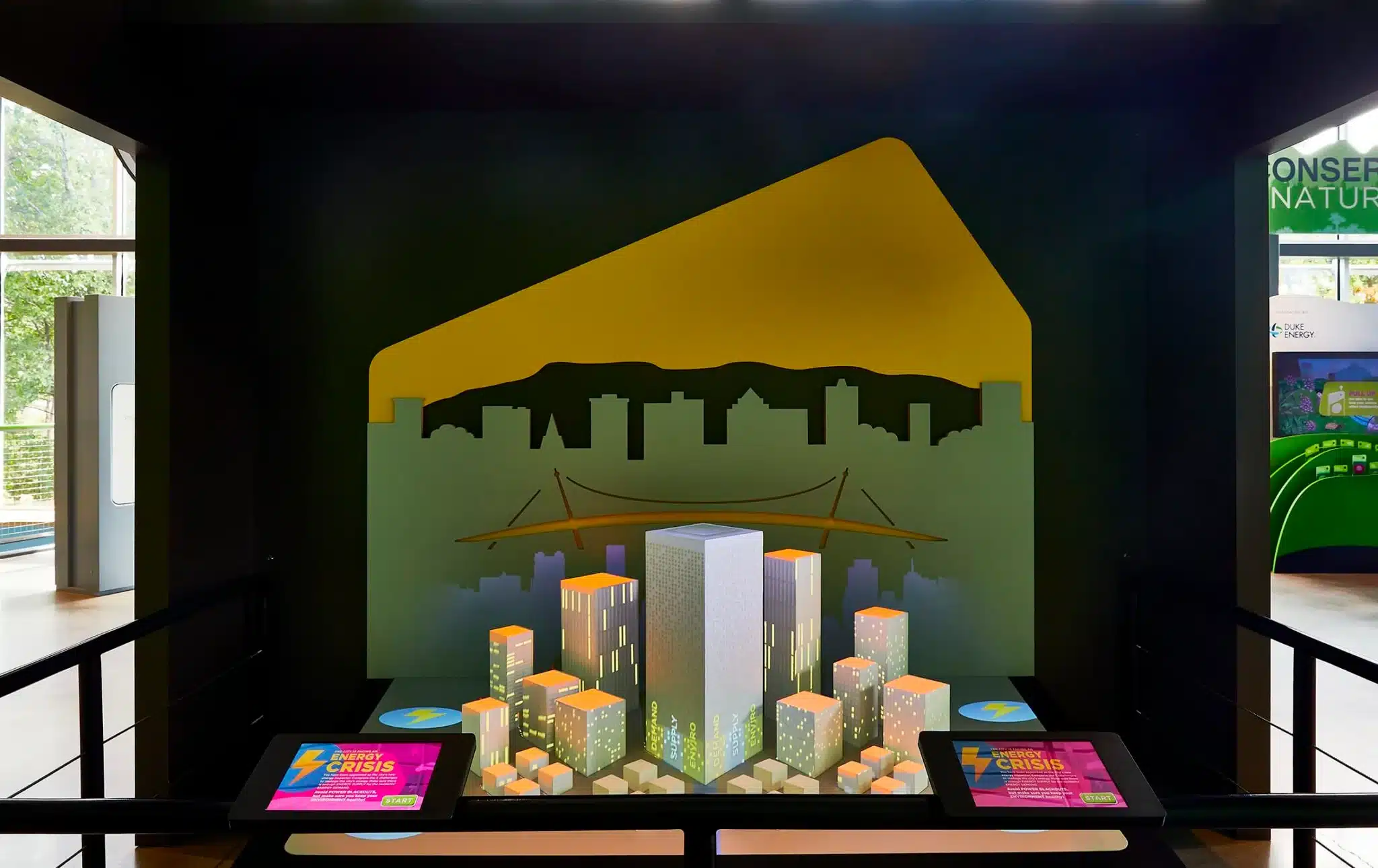
How formula D_ Uses Storytelling in Experiential Design
At formula D_, we believe experiential spaces should feel meaningful, immersive, and emotionally connected to the people visiting them. Whether designing museums, heritage attractions, cultural destinations, tourist experiences, or interpretation centers, our approach focuses on creating environments that guide visitors through clear and engaging journeys.
We use storytelling to shape how people move through spaces, interact with exhibits, and connect with local culture, history, and identity. From spatial sequencing and immersive installations to interactive media and sensory transitions, every design decision is planned to support the overall visitor experience.
Our goal is not just to create visually impressive environments but to design experiences that leave a lasting impression and help visitors connect more deeply with the story behind the space.
Connect with formula D_ to create immersive experiential spaces that leave lasting impressions through thoughtful storytelling and design.