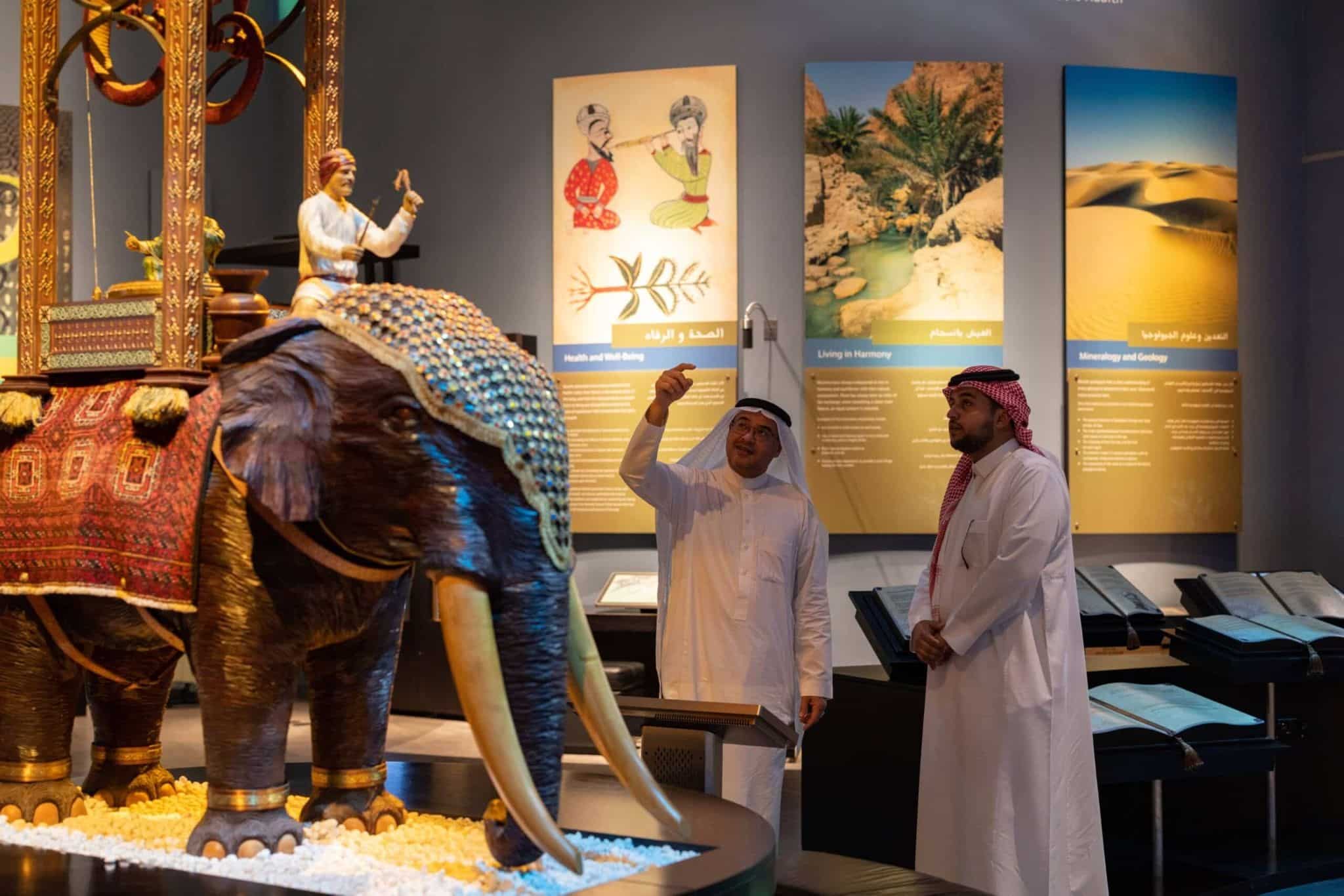
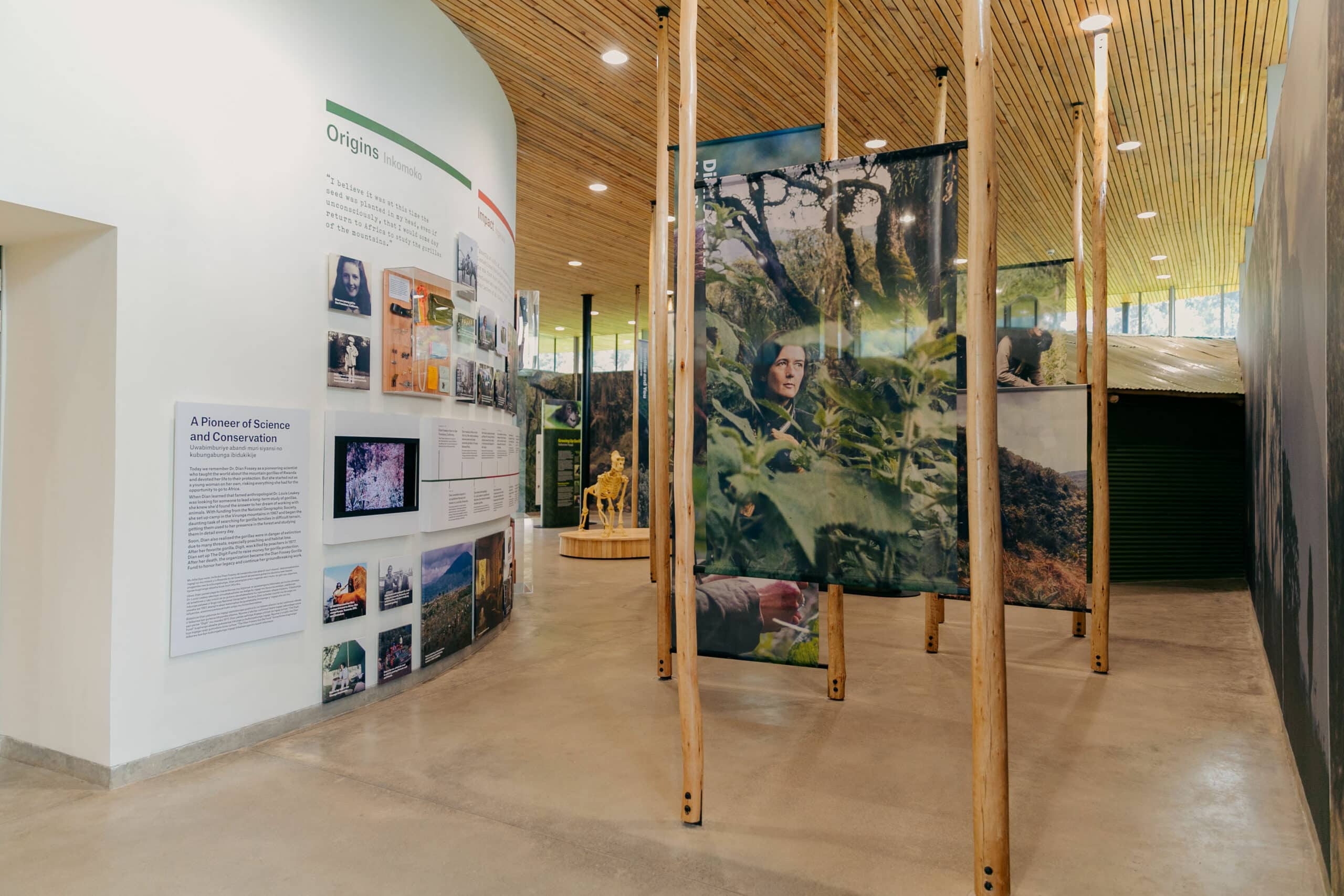
Imagine investing millions in a new museum only to find that visitors skip exhibits, struggle to navigate the space, or leave without connecting with the stories you worked so hard to tell.
This happens more often than many institutions realize. The challenge is often not the architecture, collection, or technology itself, but the lack of visitor insights during the museum planning process.
Without a clear understanding of visitor expectations, behaviors, and needs, museums may create spaces that fail to fully connect with the people they are designed to serve. This is why audience research has become an essential part of museum planning.
Why Audience Research Should Be the First Step in Museum Planning
Museum audience research should not be considered only after the design process is complete. Instead, it should guide the entire museum planning journey from the very beginning, helping museums understand visitor needs, expectations, and behaviors to create meaningful experiences, effective storytelling, and visitor journeys based on real insights rather than assumptions.
1. It Helps You Understand Who You’re Designing For
Every museum welcomes a diverse mix of visitors. Families, students, tourists, researchers, local communities, and cultural enthusiasts all arrive with different expectations, interests, and reasons for visiting.
Audience research helps identify who the primary visitors are and what they hope to gain from their experience. These insights allow planners to create exhibitions and spaces that connect with real audiences instead of relying on assumptions.
Understanding visitors early also helps museums find the right balance between education, entertainment, accessibility, and engagement.
2. It Guides Better Planning Decisions
Every museum project involves hundreds of decisions, from selecting exhibition themes to allocating budgets and defining visitor journeys.
Without reliable audience insights, these decisions may be influenced mainly by internal opinions or assumptions. While professional expertise is essential, it should be supported by an understanding of how visitors interact with museum spaces.
Audience research provides evidence that helps planning teams prioritize ideas, establish project goals, and make decisions that support both the museum’s vision and visitor expectations.
3. It Shapes More Engaging Visitor Experiences
Visitors remember how a museum made them feel and what they learned, not simply the physical layout of the space.
Audience research reveals how people prefer to interact with exhibitions, consume information, and move through cultural environments. These insights influence visitor journeys, exhibit layouts, storytelling approaches, and interactive experiences.
When planning reflects actual visitor behaviors and expectations, museums become easier to navigate, more enjoyable to explore, and more memorable long after the visit ends.
Creating an inclusive museum means considering more than physical accessibility.
Audience research helps museums understand different learning preferences, cultural perspectives, language needs, and accessibility requirements. Recognizing these needs during the planning stage allows museums to create experiences that welcome a wider range of visitors.
Inclusive planning ensures that more people can engage with exhibitions confidently, comfortably, and meaningfully.
Museum projects require significant investments, making every planning decision important.
Audience research helps organizations focus their resources on experiences visitors genuinely value. Instead of investing in features with limited impact, planners can prioritize improvements that strengthen engagement and visitor satisfaction.
This approach improves the visitor experience while reducing the possibility of expensive redesigns after completion.
When audience research is overlooked, the effects often become visible after the museum opens.
Planning Becomes Based on Assumptions: Without reliable visitor insights, planning decisions may rely heavily on internal opinions rather than actual visitor expectations. Expert knowledge remains important, but it cannot replace an understanding of how people experience exhibitions and museum spaces.
Visitor Engagement Becomes More Difficult: Visitors are more likely to engage with experiences that reflect their interests, needs, and expectations. When these factors are not considered, exhibitions may struggle to capture attention or encourage deeper exploration, even when the content itself is valuable.
Changes Become More Expensive: Identifying problems after construction or installation is significantly more costly than addressing them during the planning stage. Audience research helps uncover potential challenges early, allowing museums to refine ideas before committing to permanent solutions.
Opportunities Can Be Missed: Museums play an important role within their communities. Without audience research, organizations may overlook opportunities to connect with schools, local residents, tourists, and underserved audiences that could strengthen visitor engagement and long-term relevance.
Museums can identify and understand their audiences through research that reveals visitor needs, interests, behaviors, and expectations. This includes methods such as visitor studies, interviews, observations, surveys, stakeholder discussions, and data analysis to uncover meaningful insights.
For new museums, this research helps define the right stories, experiences, and visitor journeys from the beginning. For existing museums, it provides valuable direction for improving exhibitions, increasing engagement, and creating experiences that connect with diverse visitor groups.
At formula D_, audience research is an important part of our experiential design process. We help museums uncover visitor insights, define meaningful experiences, and develop strategies that connect exhibitions and spaces with the audiences they are designed to serve.
Partner with formula D_ to create research-driven museum experiences that engage visitors and leave a lasting impact.