
A great experiential design rarely comes together perfectly on the first attempt. Whether you are planning an interactive museum exhibit, a visitor center, a public space, or an immersive attraction, ideas can look very different once people actually interact with them.
A concept may look right on paper, yet questions can emerge when you start thinking about the actual space, materials, technology, movement, and interactions. Some decisions are easier to make when you can see and experience an idea rather than imagine it.
That is where experiential prototyping becomes valuable. It gives designers a way to work with ideas before they become permanent, helping shape the direction of the project as it develops.

What Is Prototyping in Experiential Design?
Prototyping is the process of creating an early, simplified version of an experiential design concept so it can be tested and refined before the final experience is produced.
A prototype does not have to be a complete installation. It could be a physical mockup, a digital interface, a scale model, a sample interactive, a temporary exhibit element, or even a simple walkthrough of a visitor journey.
For example, imagine a museum planning an interactive projection where visitors use movement to control digital content. Rather than developing the complete installation immediately, the design team could create a basic working version that represents the proposed interaction.
This prototype might include the essential projection, movement tracking, and digital response without requiring the full production system. The prototype can then become a working part of the design process as the concept develops.
Why Is Prototyping Important in Experiential Design?
1. It Turns Ideas Into Something Testable
A concept may look convincing in a presentation but still leave important practical questions unanswered.
A prototype gives the team a physical or digital representation that can be examined more closely. Designers can consider its scale, placement, functionality, materials, interaction, or relationship with other elements in the environment.
This is particularly useful when a concept involves something that is difficult to communicate through drawings or written descriptions alone. Seeing an idea in a more tangible form can help stakeholders and design teams make clearer decisions about its direction.
2. It Helps Designers Evaluate Visitor Behavior
Experiential design needs to account for how people are likely to interact with a space or feature. A prototype can provide an early indication of whether the proposed experience communicates its intended action clearly.
For example, designers may want to consider:
- Where visitors naturally begin an interaction
- Whether an intended action is easy to recognize
- How visitors move around a physical element
- Whether information appears at an appropriate point
- Whether the interaction fits naturally within the wider experience
These observations can help designers identify where the concept may need clarification or adjustment while the design is still flexible.
3. It Reduces Risk Before Implementation
Experiential projects can involve considerable investment in construction, fabrication, AV systems, software, hardware, and content production.
A design decision that appears minor during the planning stage can become difficult and expensive to change once it has been built into the final installation.
Prototyping gives teams an opportunity to address uncertainties before they become fixed project requirements. For example, a prototype can help determine whether a particular interactive technology is suitable for the intended space before the project commits to the infrastructure required to support it.
This can reduce the likelihood of investing heavily in an approach that later requires substantial changes.
4. It Improves Interactive Experiences
Interactive elements need to work as part of the overall experience, not simply function as individual pieces of technology.
Prototyping allows designers to work through details that influence how an interaction feels and performs. These can include:
- Ease of use
- Responsiveness
- Physical positioning
- Instructions and wayfinding
- Accessibility
- Timing and pacing
- Visual and audio feedback
- Visitor flow
Working through these details during development can help ensure that the technology feels purposeful and supports the experience rather than competing with it.
Want to see experiential design beyond the concept? Explore our work.
What Types of Prototypes Are Used in Experiential Design?
There is no single type of prototype for every experiential project. The appropriate approach depends on what the design team needs to develop and the questions that need to be answered.
Physical Prototypes
Physical prototypes can include scale models, mockups, materials, structures, furniture, signage, or partial installations.
They are useful when the team needs to work through physical characteristics such as size, proportions, placement, sightlines, materials, movement, or accessibility.
Digital Prototypes
Digital prototypes can represent interfaces, touchscreen experiences, animations, interactive content, or digital storytelling.
They allow designers to develop elements such as navigation, screen layouts, content hierarchy, and interaction patterns before building the complete digital system.
Interactive Prototypes
Interactive prototypes focus on a particular action or interaction rather than attempting to reproduce the entire experience.
They may combine software, sensors, projection, sound, lighting, or other technologies to demonstrate how an interaction is intended to work.
This approach can be particularly useful when the project includes unfamiliar technology or a new type of interaction that needs to be developed before full-scale production.
Experience Walkthroughs
Sometimes a prototype can take the form of a guided walkthrough of the proposed experience.
The team can work through the sequence of spaces, interactions, transitions, and information from beginning to end. This can help clarify the relationship between different parts of the visitor journey and identify areas that require further design development.
Related Articles:
When Should You Use AR in Museums (and When Not To)
Top 5 Reasons to Hire an Experiential Design Company
5 Reasons Why Storytelling Is the Backbone of Experiential Design
When Should You Use Prototyping?
Prototyping can be useful at several points in an experiential design project, but it is especially valuable when a concept involves new technology, complex visitor interactions, unusual physical environments, or uncertain user behavior.
It can also be useful when multiple stakeholders need to see and experience an idea before approving the next stage of development.
The earlier a significant design question is tested, the more opportunity the team has to make changes without affecting the finished installation.
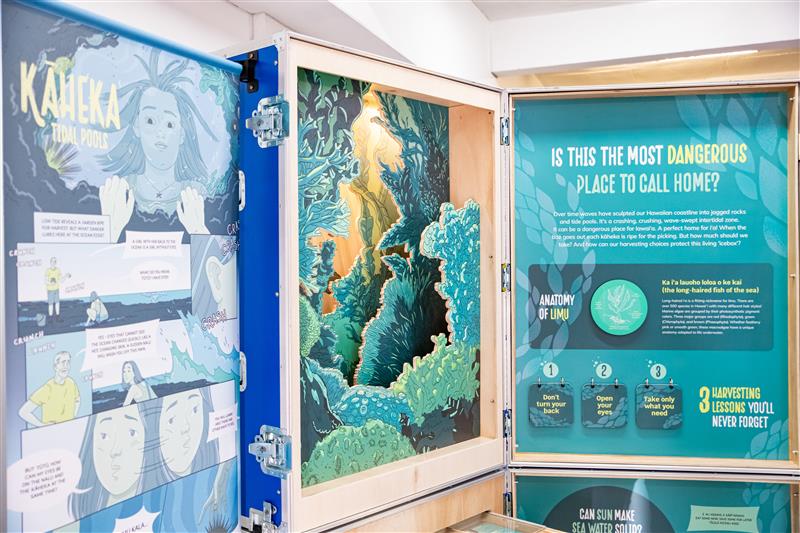
How Does formula D_ Approach Prototyping?
At formula D_, we see prototyping as an important part of creating experiences that work for real people in real environments.
Our approach starts with the purpose of the experience and the needs of its intended visitors. From there, we can prototype key elements, test interactions, evaluate visitor journeys, and refine the design before moving into full production.
We consider more than whether something works technically. We look at how the experience fits within the physical environment, how visitors are likely to engage with it, and whether the technology genuinely supports the story or purpose.
Whether we are working on an interactive exhibit, visitor attraction, heritage site, or public experience, prototyping gives us a practical way to test ideas and make informed design decisions.
Looking to develop an experiential project? Talk to formula D_ about how prototyping can help shape your next visitor experience.