
Great museums are remembered long after visitors leave.
People remember the exhibits that captured their attention, the stories that sparked curiosity, and the moments that made them see something in a new way. But creating those experiences requires more than valuable collections and beautiful artifacts. It requires an environment that helps visitors connect with what they are seeing.
Over time, even well-designed museums can lose some of their appeal. Visitor expectations evolve, technology advances, and new audiences often seek more interactive and engaging experiences than previous generations.
The challenge is recognizing when those changes begin affecting the visitor experience.
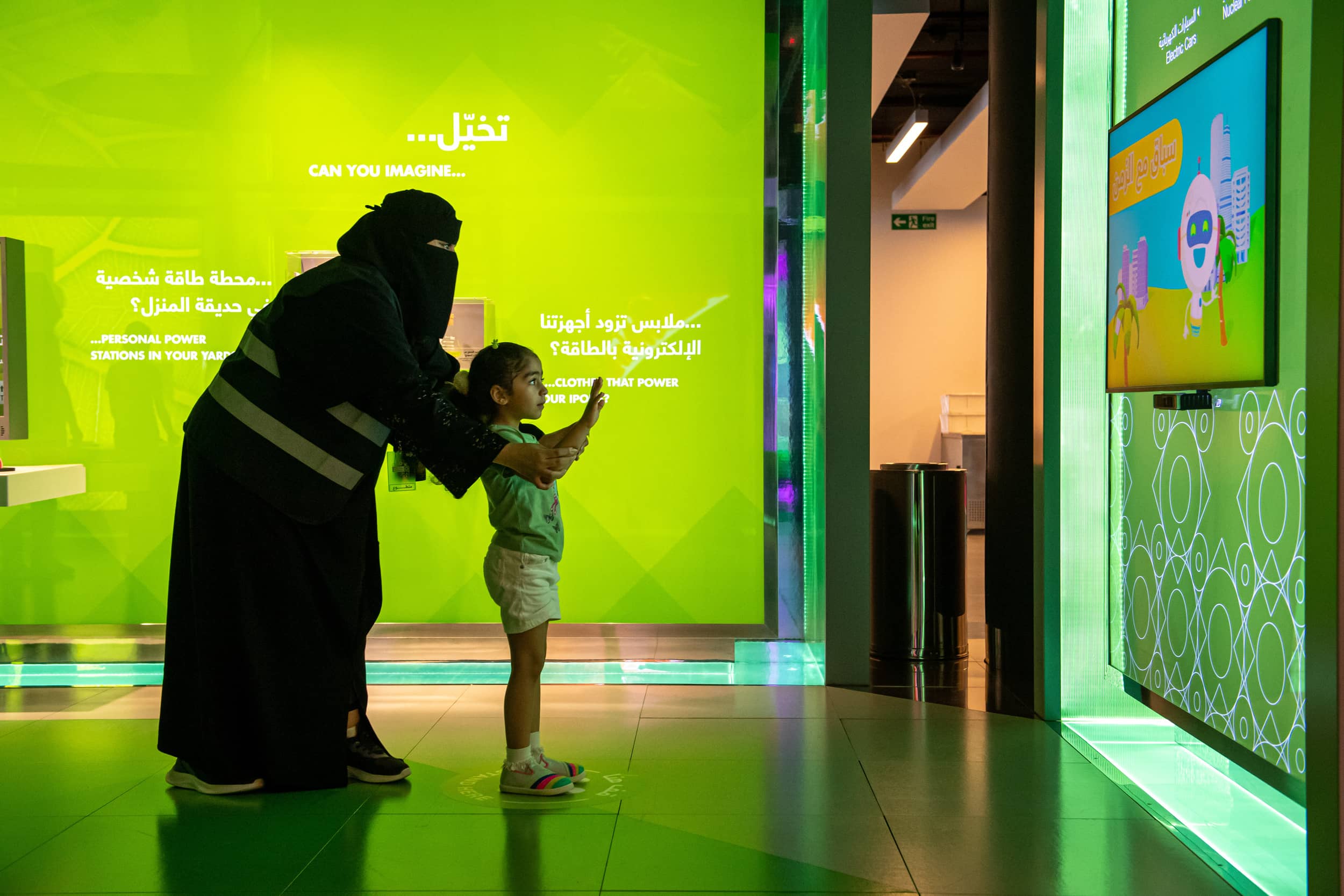
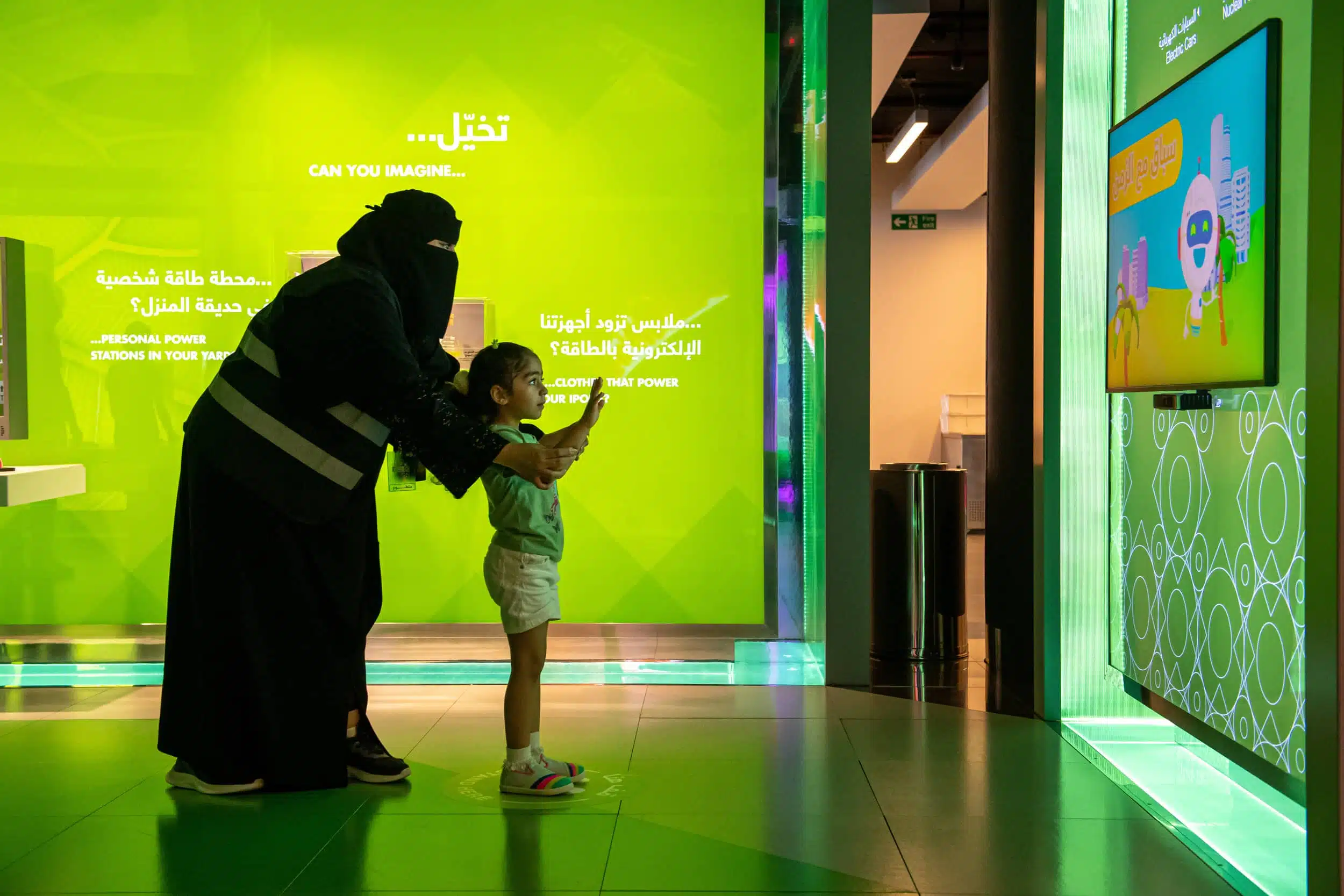
9 Signs Your Museums Need a Redesign
Not every sign of an aging museum experience appears in attendance reports or visitor surveys. Sometimes, the clearest indicators can be found in visitor behavior, exhibit performance, and everyday observations.
1. Visitors Move Through Galleries Faster Than Expected
One of the simplest ways to evaluate a museum experience is to observe how people move through it.
Do visitors stop frequently to examine exhibits, read interpretive content, and discuss what they see? Or do they walk through galleries at a steady pace without spending much time in any particular area?
When guests move quickly through exhibits, it often suggests that the displays are not creating enough curiosity to encourage deeper exploration. The content may still be valuable, but the presentation might no longer capture attention as effectively as it once did.
Museums are meant to encourage discovery. If visitors consistently move through galleries without pausing, it may be a sign that the experience needs refreshing.
More information doesn’t always mean a better experience. Find out why museums lose engagement.
2. School Groups Appear Disengaged
Students can be one of the most revealing audiences in a museum.
Young visitors are naturally curious, but they also respond quickly when something fails to capture their attention. If school groups seem distracted, struggle to stay focused, or show little enthusiasm while moving through exhibits, it may indicate that educational experiences are not connecting as effectively as intended.
Teachers may find themselves working harder to maintain participation, while students spend more time observing their surroundings than interacting with exhibit content.
Since education plays a major role in many museums, declining engagement among younger audiences should never be overlooked.
3. Staff Spend Too Much Time Giving Directions
Museum staff contribute most when they can help visitors engage with content and answer meaningful questions.
However, some museums find that employees spend a significant portion of their day explaining how to navigate the building.
Questions such as:
- Where does this gallery continue?
- How do we reach the next exhibit?
- Which way is the exit?
- Where is the special exhibition?
They are common in every institution. The concern arises when these questions dominate daily interactions.
When visitors rely heavily on staff just to move through the museum, it may indicate that the layout, signage, or circulation patterns need improvement.
Great museum experiences start with clear direction. Explore why wayfinding matters.
4. Visitor Feedback Mentions the Same Concerns Repeatedly
Visitor feedback can reveal issues that internal teams may no longer notice.
A single comment might reflect an individual’s opinion. However, when the same concerns appear repeatedly across surveys, reviews, and conversations, patterns begin to emerge.
Visitors may consistently mention that exhibits feel difficult to follow, galleries seem disconnected, or certain areas feel less engaging than expected.
Repeated feedback often highlights opportunities that deserve closer examination. Ignoring these recurring observations can allow small problems to grow into larger challenges over time.
5. Repeat Visitation Has Become Rare
A first visit is often driven by curiosity.
A return visit usually reflects value.
When local visitors rarely come back after their initial experience, it may suggest that the museum is not creating enough reasons for ongoing engagement. People should leave feeling that there is more to explore, more to learn, or more to experience in the future.
Low repeat visitation can affect memberships, community relationships, and long-term audience growth.
A redesign can help create fresh experiences that encourage visitors to return and continue their connection with the institution.
6. Permanent Galleries Feel Less Popular Than Temporary Exhibitions
Temporary exhibitions naturally generate excitement because they introduce something new.
However, if visitors consistently spend most of their time in temporary exhibits while quickly moving through permanent galleries, it may indicate a larger issue.
The collection itself may remain highly valuable, but audience expectations change. Presentation methods that worked years ago may not resonate with today’s visitors in the same way.
When temporary exhibitions continually outperform permanent spaces, it may be time to evaluate how the core collection is being interpreted and presented.
7. Visitors Struggle to Connect Exhibits Together
A strong museum experience feels like a complete story rather than a series of unrelated moments.
Visitors should understand how one gallery connects to the next and how individual exhibits contribute to broader themes. When these connections are unclear, guests often leave with fragmented impressions.
They may remember individual artifacts, objects, or displays but struggle to explain the larger narrative behind them.
A redesign can help strengthen storytelling, improve transitions between galleries, and create a more cohesive visitor journey.
When spaces start telling stories, visitors start remembering them. Learn why storytelling is the backbone of experiential design.
8. Museum Feels Physically Tired
Sometimes the need for a redesign becomes visible even before it shows up in visitor data. Even museums with strong collections can start to feel dated when the physical environment no longer reflects the quality of the experience inside.
Common signs include:
- Worn or outdated exhibit graphics
- Faded finishes and aging materials
- Display cases that look old or damaged
- Inconsistent or weak lighting
- Visible wear in high-traffic areas
While visitors may not consciously notice every detail, these elements strongly influence their overall impression. Over time, a tired physical environment can make even valuable exhibits feel less engaging, signaling that a refresh may be needed.
9. New Technology Feels Added Rather Than Integrated
Technology can enhance museum experiences when it supports storytelling and learning.
However, not every digital addition improves engagement.
Some museums introduce interactive screens, projections, or multimedia experiences that feel disconnected from the surrounding exhibits. Visitors may use them briefly without gaining a deeper understanding of the content.
When technology feels separate from the story rather than part of it, its value becomes limited.
A thoughtful redesign can help ensure that digital experiences support exhibit goals and contribute meaningfully to the visitor journey.
Related Articles:
5 Visitor Experience Trends Reshaping Attractions in 2026
When Should You Use AR in Museums (and When Not To)
Difference Between Interactive and Immersive Spaces
Partnering with formula D_ for Museum Redesign
As an experiential design agency, formula D_ helps museums create environments that do more than display information; they create meaningful visitor experiences. We believe successful museum redesigns begin with understanding how people engage with spaces, exhibits, and stories rather than simply updating physical elements.
Our approach combines visitor insights, storytelling, spatial planning, and experiential design strategies to identify opportunities for stronger engagement. Whether a museum is facing navigation challenges, declining visitor interaction, or outdated exhibit experiences, formula D_ works to create environments that feel intuitive, memorable, and relevant to modern audiences.
Our goal is to design experiences that inspire curiosity, encourage exploration, and continue delivering value for years to come.

How Often Should Museums Evaluate Their Visitor Experience?
A redesign does not necessarily mean rebuilding an entire museum. In many cases, smaller assessments can reveal opportunities for improvement before larger issues develop.
Museums should regularly evaluate:
- Visitor flow patterns
- Time spent in exhibits
- Feedback trends
- Accessibility performance
- Educational effectiveness
- Audience demographics
Consistent evaluation helps institutions stay responsive to changing visitor needs and expectations.
The most successful museums are not always the newest or the largest. They are the ones that continue listening to their visitors, adapting thoughtfully, and creating meaningful experiences that remain relevant over time. Recognizing the signs early allows museums to strengthen their impact before visitors begin looking elsewhere for inspiration and learning.
Ready for a Museum Redesign?
If these signs feel familiar, it may be time to rethink your museum experience. Connect with formula D_ to bring new energy and clarity to your museum experience.